When examining the current distribution of Navigation Anti Interference Antenna Market Share, it is clear that North America currently holds the largest portion of the market, driven by the ...
Step-by-Step Guide to Learning Beekeeping: Start Your Hive Adventure Today
Beekeeping is an exciting and rewarding hobby that allows you to connect with nature while contributing to pollinator conservation and enjoying fresh honey. Whether you’re interested in producing honey, supporting local ecosystems, or simply fascinated by bees, learning beekeeping is an enriching journey. However, before diving in, it’s essential to understand the basics, gather the right beekeeping equipment, and establish a well-maintained hive. This step-by-step guide will help you start your hive adventure with confidence.
Understanding the Basics: Beekeeping for Beginners
Before setting up a hive, it’s important to learn about honeybees and how they function within a colony. Bees play a crucial role in pollination and maintaining biodiversity, and beekeeping requires dedication and care. Beekeeping for beginners involves learning about different types of bees, hive management techniques, and seasonal care routines.
Key Aspects to Understand Before You Begin:
- The three types of bees in a colony: the queen, worker bees, and drones
- The life cycle of bees and their roles in honey production
- The impact of beekeeping on pollination and environmental sustainability
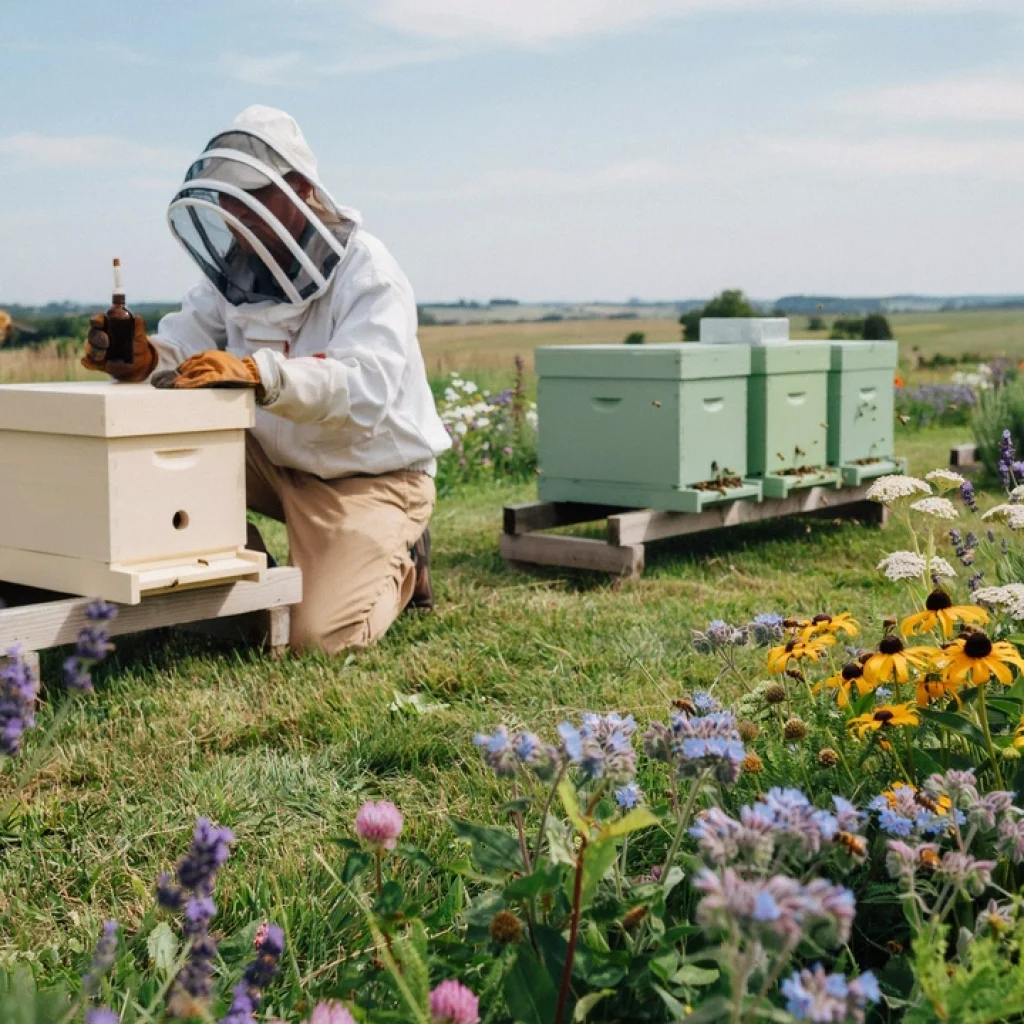
Essential Beekeeping Equipment: What You’ll Need
To get started, you’ll need basic beekeeping equipment to ensure both your safety and the success of your hive. The right tools will make learning beekeeping easier and more enjoyable.
Must-Have Beekeeping Gear:
- Beehive – Choose from Langstroth, Top Bar, or Warre hives based on your preferences.
- Protective Gear – A high-quality beekeeping suit, gloves, and a veil to prevent stings.
- Smoker and Hive Tool – A smoker calms bees during inspections, while a hive tool helps in hive maintenance.
- Frames and Foundation – These provide structure inside the hive for bees to build honeycomb.
- Bee Feeder – Essential for feeding new colonies when nectar is scarce.
How to Start a Beehive: A Step-by-Step Guide
Once you’ve gathered your beekeeping equipments, it’s time to set up your hive. Proper preparation is crucial to creating a thriving colony.
Steps to Start a Beehive Successfully:
- Choose the Right Location – Select a spot that receives morning sunlight, is sheltered from strong winds, and has a nearby water source.
- Assemble Your Hive – Set up the hive structure, ensuring all components fit securely.
- Order Your Bees – Purchase a bee package, nucleus colony (nuc), or catch a swarm.
- Introduce the Bees to the Hive – Gently transfer the bees to their new home and ensure the queen is accepted.
- Monitor the Colony – Conduct routine hive inspections to ensure the bees are healthy and thriving.
Beehive Setup Guide: Getting Your Colony Settled
Proper beehive setup ensures a smooth transition for your new honeybee colony. Follow these tips for a successful start:
- Position the hive at least 10–15 feet from human activity areas.
- Face the hive entrance towards the morning sun to encourage early foraging.
- Ensure the hive is slightly elevated to prevent moisture buildup.
- Add frames carefully, allowing bees to adjust without disruption.
Beginner Beekeeping Tips for a Healthy Hive
Keeping a hive healthy requires continuous learning and care. Here are some beginner beekeeping tips to help you maintain your colony:
- Conduct hive inspections every 7-10 days to check for pests, diseases, and honey production.
- Ensure your bees have access to diverse floral sources for nectar and pollen.
- Avoid using harmful pesticides near the hive, as they can negatively impact bee health.
- Monitor for common threats like Varroa mites and take preventive measures.
- Provide supplemental feeding when natural nectar sources are low.
Sustainable Beekeeping Practices: Keeping Your Hive Thriving
Ethical and sustainable beekeeping practices not only benefit your hive but also support local ecosystems. As a beekeeper, adopting eco-friendly methods ensures the well-being of your bees and the environment.
Best Sustainable Beekeeping Practices:
- Plant bee-friendly flowers and avoid monoculture landscapes.
- Practice responsible honey harvesting to leave enough for the colony.
- Use natural pest control methods instead of harsh chemicals.
- Support wild pollinator populations by preserving natural habitats.
Expanding Your Beekeeping Knowledge
Learning beekeeping is an ongoing process. The more you educate yourself, the better you’ll become at managing your hives. Engage with experienced beekeepers, read beekeeping books, and join local associations for guidance and support.
Ways to Enhance Your Beekeeping Skills:
- Take online beekeeping courses or attend workshops.
- Connect with local beekeeping groups and mentors.
- Keep a beekeeping journal to track hive progress and observations.
- Stay updated with the latest beekeeping research and trends.
Conclusion
Beekeeping is an incredibly fulfilling journey that requires patience, knowledge, and dedication. By following this step-by-step guide to learning beekeeping, you’ll be well on your way to establishing a thriving hive. Whether you’re in it for honey production, environmental conservation, or personal enjoyment, beekeeping offers countless rewards. Now that you have the basics covered, it’s time to take the first step and start your beekeeping adventure today.
By implementing the beekeeping tips and strategies outlined in this guide, you’ll be on the path to success. If you’re looking for reliable beekeeping equipment and high-quality beekeeping suits, explore options that prioritize both comfort and protection.

 How to create new field